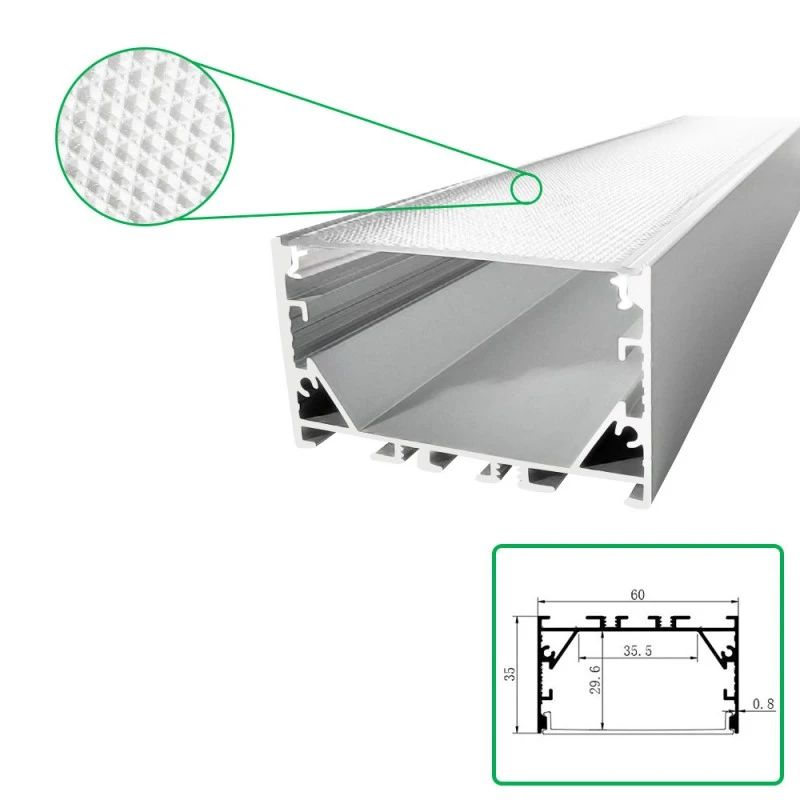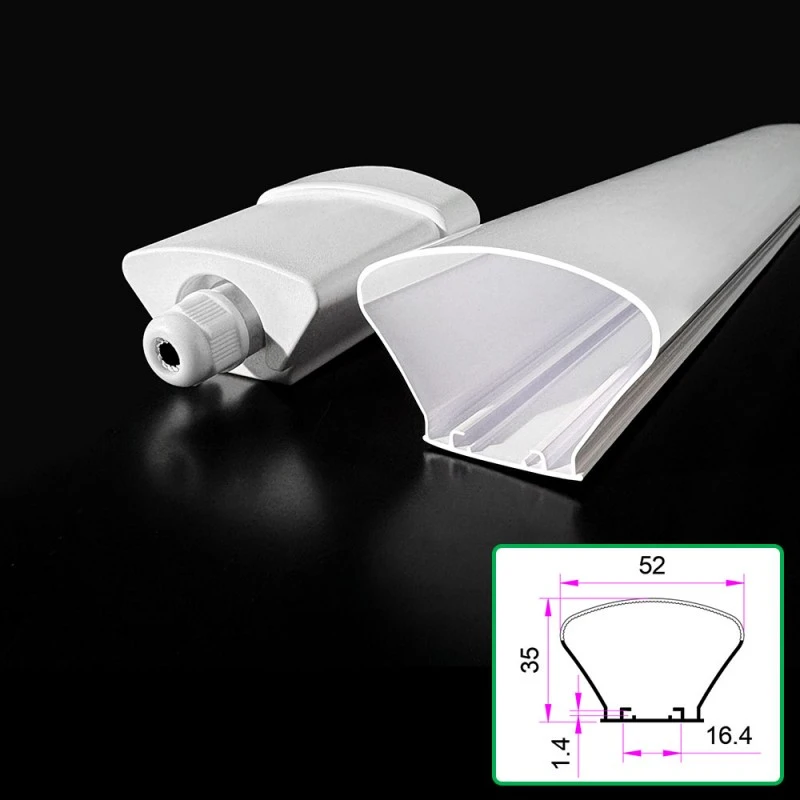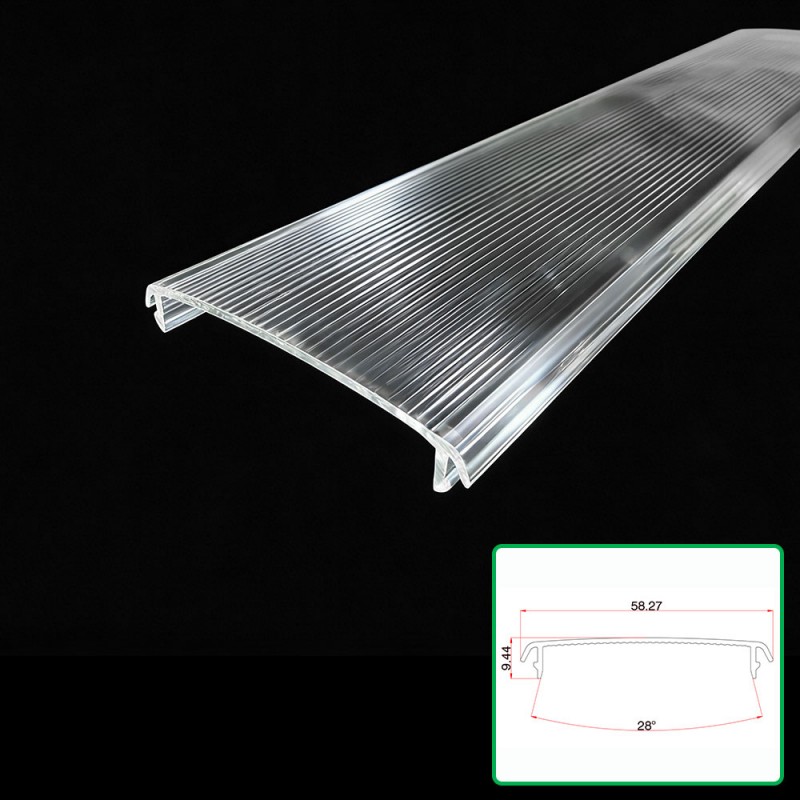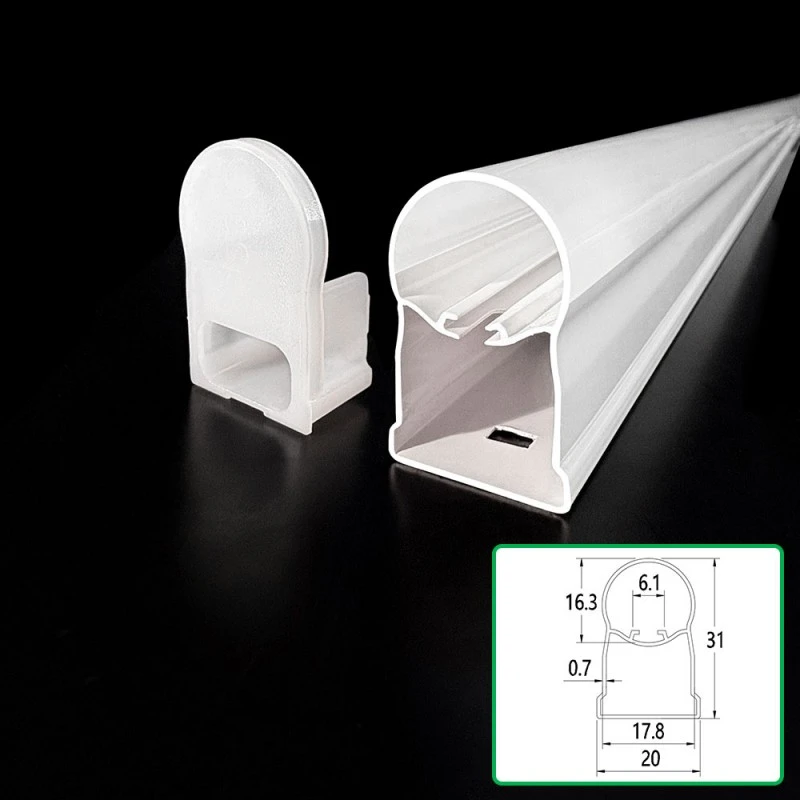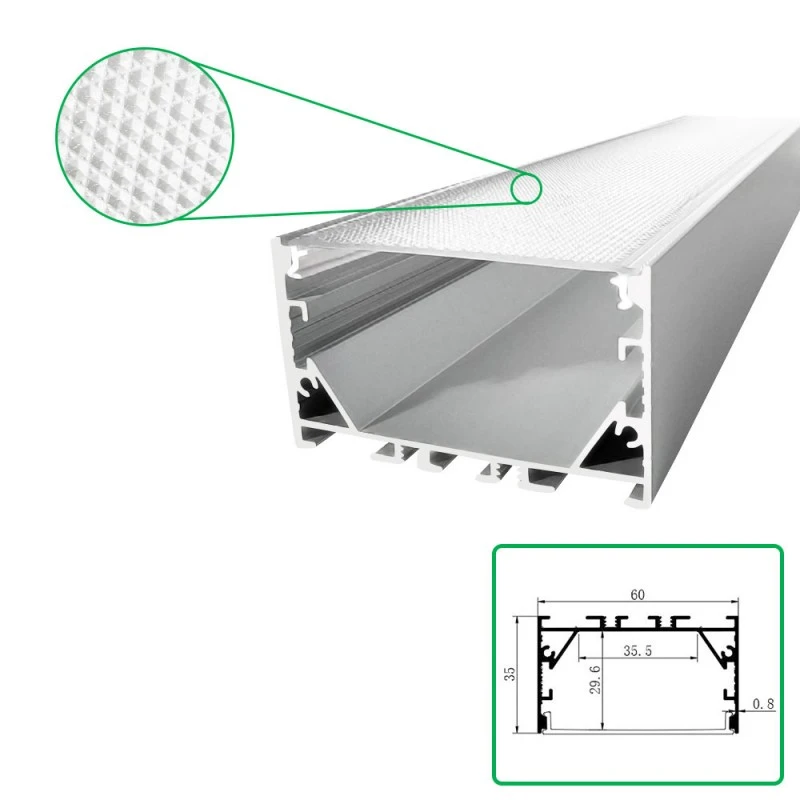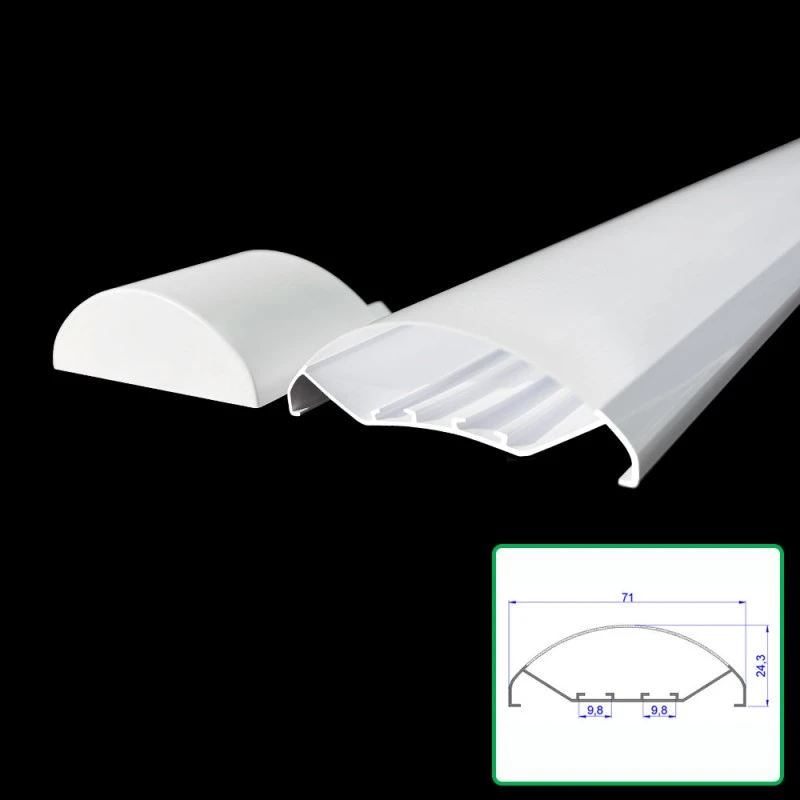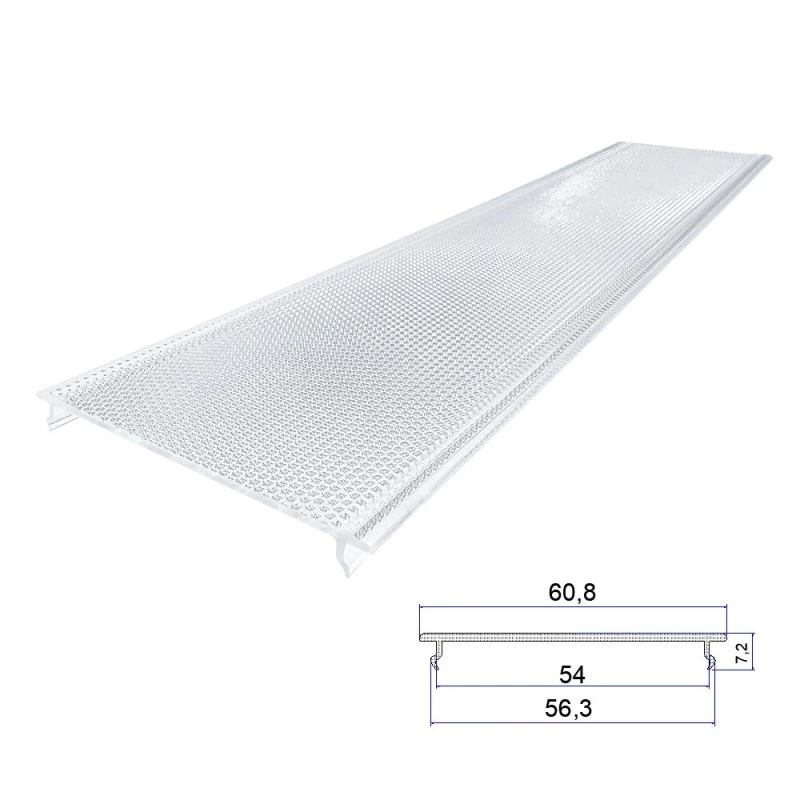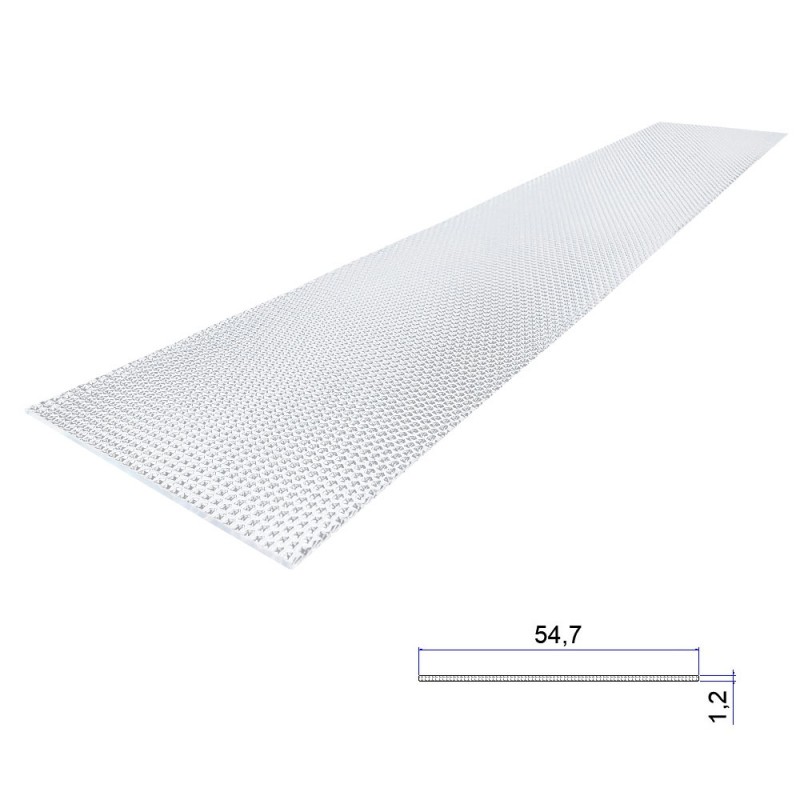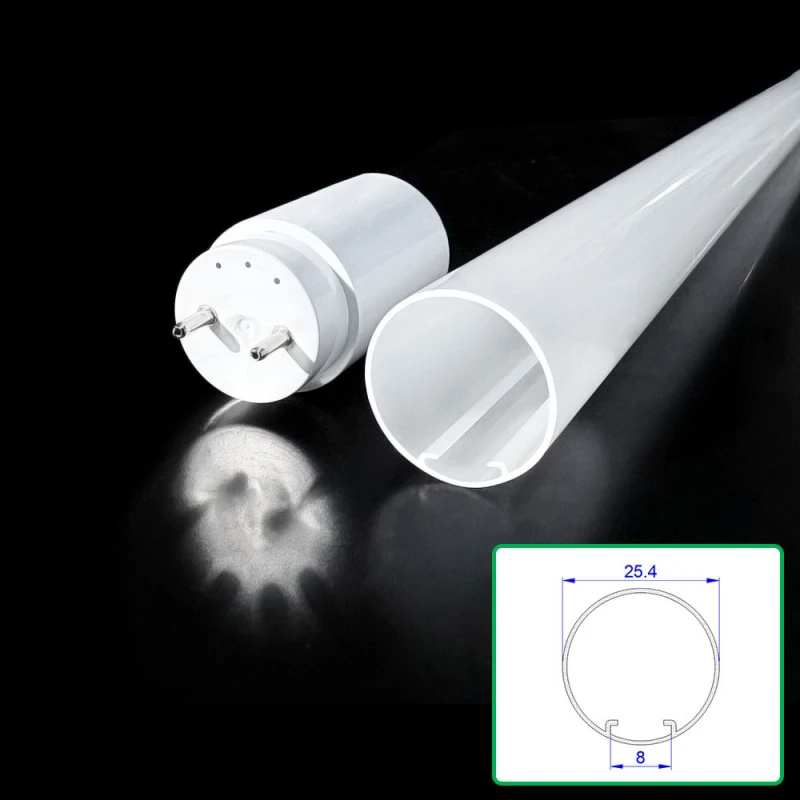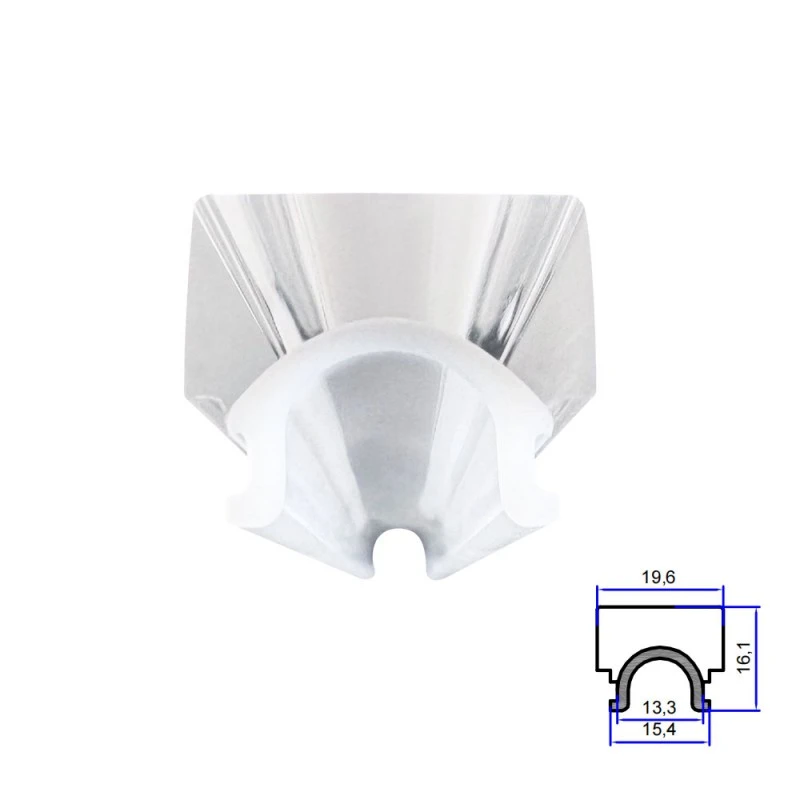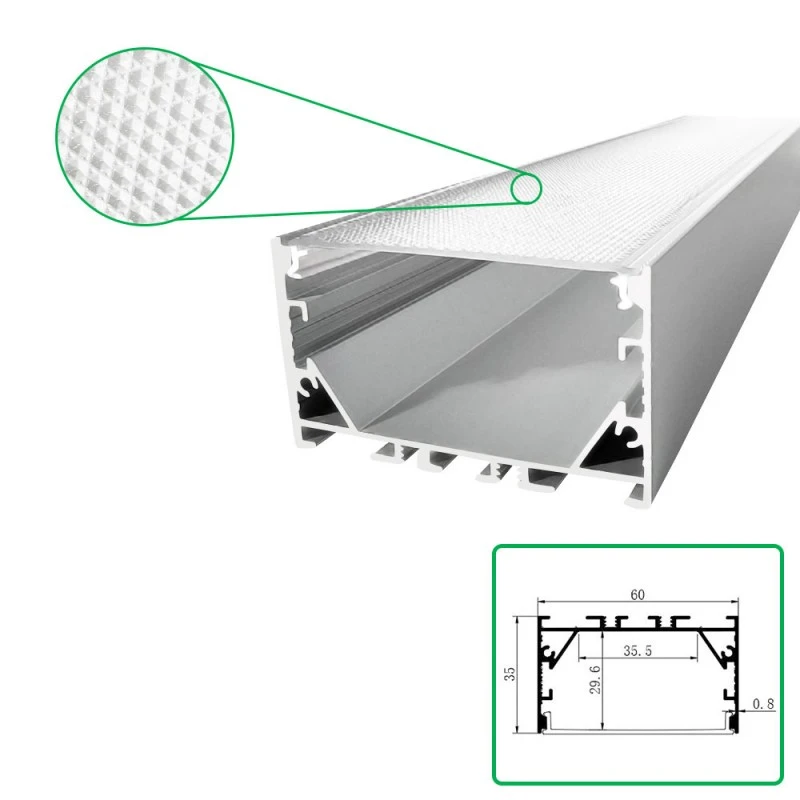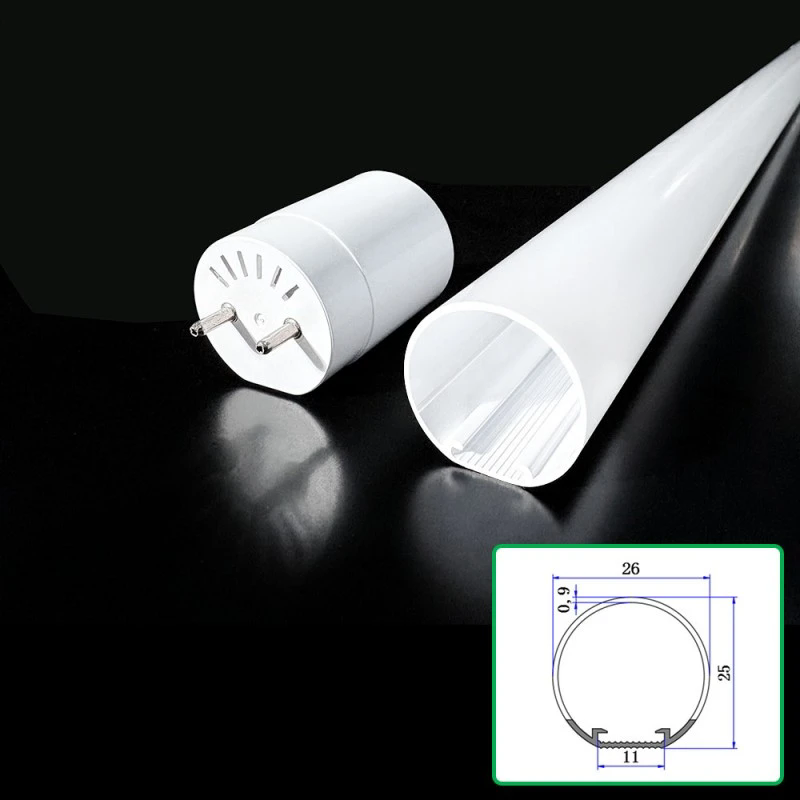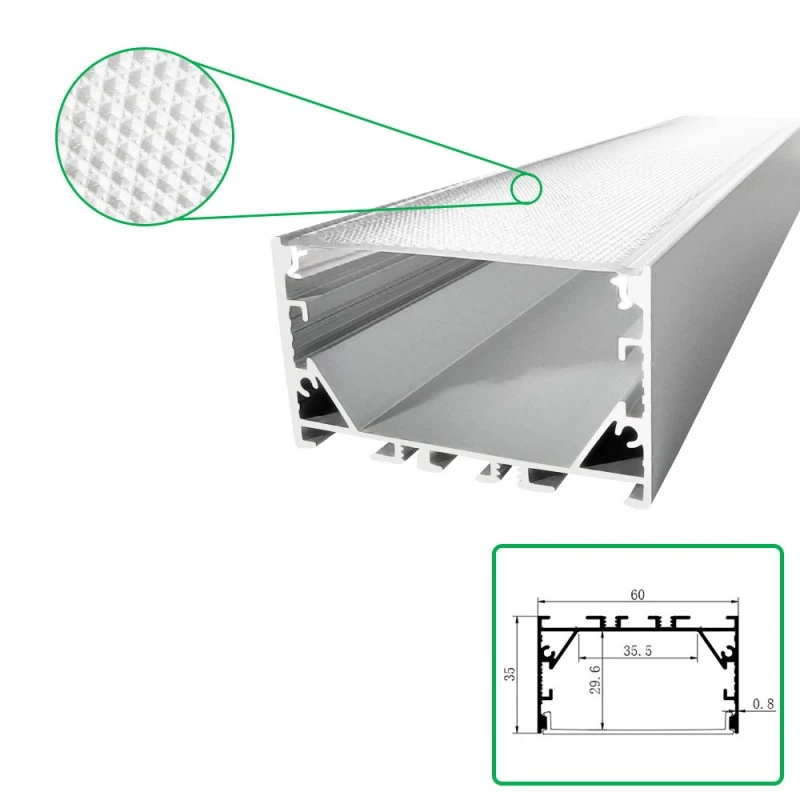
LED lampshades (covers or diffusers used with LED lighting systems) provide both functional and performance advantages. From a product engineering and application standpoint, their benefits can be broken down into several key areas:
1. Light Diffusion & Visual Comfort
LED lampshades are designed to optimize light distribution. Materials like PC (polycarbonate) or acrylic diffuse harsh LED point light into a uniform, soft illumination.
Soft and uniform lighting output
Reduces glare and eye strain
Eliminates LED hot spots
2. High Light Efficiency
A well-designed lampshade maximizes light transmittance while maintaining diffusion.
High transmittance (85%–92%)
Low light loss during diffusion
Improves overall fixture efficiency
3. Durability & Impact Resistance
Compared to traditional glass covers, LED lampshades (especially PC) offer superior mechanical properties:
High impact resistance (anti-breakage)
Better performance than glass lampshades
Long service life in daily use
4. UV Resistance & Anti-Yellowing
High-quality LED lampshades are treated for UV resistance:
UV-stabilized material options
Prevents discoloration over time
Suitable for indoor and outdoor use
5. Design Flexibility
LED lampshades are highly adaptable for OEM/ODM manufacturing:
Plastic-based lampshades are significantly lighter than glass:
Easier installation and transportation
Lower risk of breakage
Flame-retardant material options available
LED lampshades combine high light diffusion, durability, UV resistance, and customizable design, making them an essential component in modern lighting systems across residential, commercial, and industrial applications.
We use cookies to offer you a better browsing experience, analyze site traffic and personalize content. By using this site, you agree to our use of cookies.
Privacy Policy